


This post was originally published on this site.
MONTEGO BAY, St James — Leo Schlesinger, chief executive officer of Tortuga Resorts which recently acquired Hyatt Hotels’ interest in Playa Hotels & Resorts brand, says Jamaica’s greatest competitive tourism advantage is its culture and people — which no other destination can reproduce.
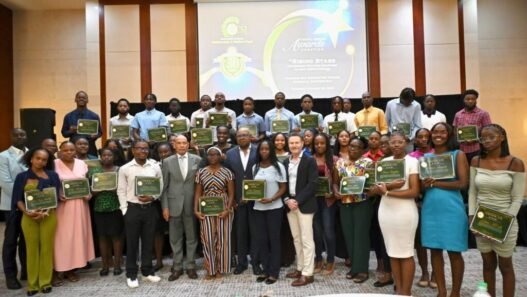
“Many countries have beautiful beaches. Anyone can copy a beach [but] nobody can copy Jamaican culture — that is Jamaica’s true competitive advantage,” Schlesinger told the St James East Central Scholarship and Welfare Fund’s annual tertiary awards at Montego Bay Convention Centre last Thursday.
According to Schlesinger, the warmth, energy, music, food, humour and authenticity associated with Jamaica give the island a distinctive appeal in the global tourism marketplace.
“Guests may forget the room they stayed in [but] they never forget how Jamaicans make them feel,” declared Schlesinger.
He said the value of that cultural advantage extends well beyond tourism branding as culture has become an important economic asset for Jamaica.
“When tourism is 30 per cent of the economy, culture is, in a very real sense, one-third of the Jamaican economy.
“Culture is not just heritage; it is a tool for the future. We often talk about culture as something to preserve. In Jamaica’s case, we should also think of culture as something we use to create the future,” added Schlesinger.
Tortuga Resorts has expanded its footprint in Jamaica through the acquisition of the former Playa properties — including Secrets, Breathless, Hyatt Ziva, Hyatt Zilara and Dreams resorts — and Schlesinger said the company plans to maintain its focus on the Jamaican market.
“We are deeply invested in Jamaica, and we intend to keep investing in the country,” said Schlesinger.
He argued that tourism’s economic impact reaches far beyond hotels, with visitors generating opportunities for airport workers, taxi operators, hotel employees, farmers, fishermen, construction workers, retailers, musicians, and other service providers.
The Tortuga Resorts CEO warned, however, that Jamaica’s ability to sustain its competitive advantage would ultimately depend on the quality of its human capital.
“The countries that succeed will not necessarily be the ones with the most resources. They will be the ones with the best educated, most adaptable, and most innovative people,” he said.
Schlesinger said while Jamaica faces significant challenges — including climate change, hurricanes, labour constraints, immigration, and infrastructure gaps — its people remain its most valuable resource.
“If you invest in a person in their education, skill, confidence, and creativity, the person grows,” he said. “Knowledge grows when it’s shared. Skills grow when they’re practised. Ideas grow when people collaborate,”
He called on universities to move beyond simply preparing students for employment and underscored that tertiary institutions have an equally important responsibility to develop critical thinkers and responsible citizens who will question, analyse, distinguish fact from opinion, listen to ideas they disagree with, and think independently.
“A healthy democracy does not just need educated professionals, it needs educated citizens,” he added.
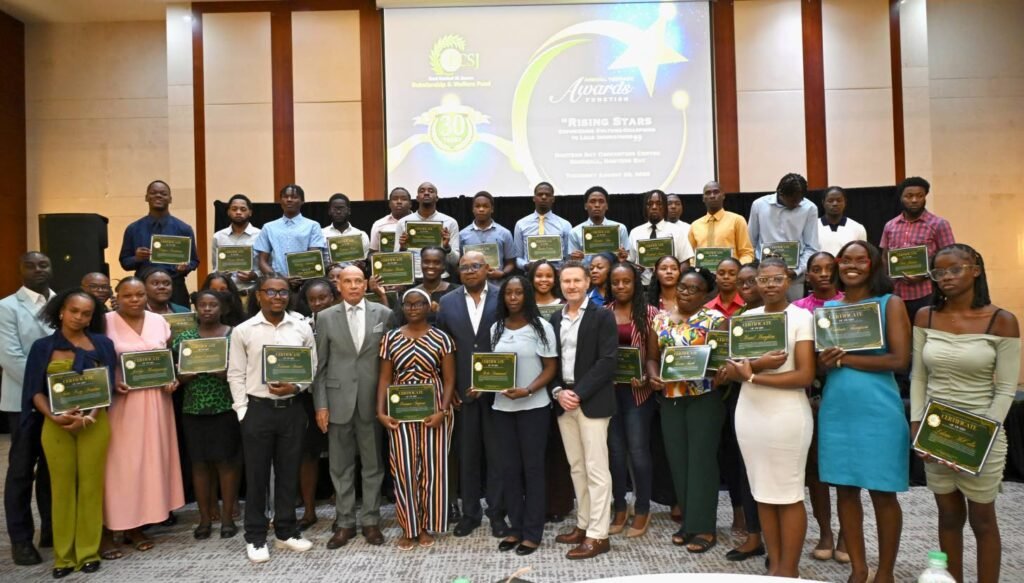
For his part, Member of Parliament for St James East Central, Tourism Minister Edmund Bartlett said he wants his contribution to education and human capital development to be his enduring legacy.
Bartlett revealed that 60 tertiary students from the constituency received scholarships from his education programme, valued at just under $10 million this year.
He said the scholarship programme — which began 47 years ago at the start of his political life in St Andrew Eastern and has continued for the past 30 years in St James East Central — reflects his long-standing commitment to education as a vehicle for social mobility and national development.
“If I should be asked, ‘What is it that you would really like to be remembered by 100 years from now?’ — and somebody wants to remember this fat-faced fellow from Westmoreland — I would want to be remembered as the person who made a difference in the lives of the people in this country,” Bartlett said.
“And I would like to be remembered as the one who recognised that education was the surest way for social mobility and human advancement,” added Bartlett.