
This post was originally published on this site.
The curriculum in Jamaica is filled with helpful subjects curated to help young people not only navigate their prospective careers, but also become well-rounded citizens. However, there is always room for improvement. With the 2026/2027 academic year about to start, Observer Online has compiled a list of 10 subjects we believe should be added to the educational experience in the country.
- Civics
This one needs to make a widespread reappearance on the curriculum. Students should understand how Jamaica’s Government works, their rights and responsibilities as citizens, how elections work and the importance of participating in civic life. While some aspects of this may be covered in subjects like Social Studies and History we are seeing many Jamaican adults who are unaware of the systems that govern them and how they play a part in it.
- Sign Language
Learning sign language would help to create a more inclusive society. Introducing it in schools could allow students to communicate with members of the deaf community while making inclusion a normal part of everyday life. The reality is that just like we learn other languages to communicate with foreigners we should know how to communicate with those who are deaf and live amongst us.
- African History
Jamaican students learn about aspects of African history, but there is room for a deeper exploration of the continent and its contribution to world history. A stronger focus could help students better understand Jamaica’s African heritage, culture and identity. As Marcus Garvey said “A people without knowledge of their past history, origin and culture is like a tree without roots.”
- Financial Literacy
Knowing how to manage money is a life skill. Students should be taught budgeting, saving, investing, credit, taxes, loans and responsible spending before they enter adulthood. Understanding money early could help young people make better financial decisions later in life. Whether they go on to become employees or employers this will be beneficial in the long run.
- Sexual Health
Young people need accurate, age-appropriate information about their bodies, relationships, consent, contraception, sexually transmitted infections and reproductive health. A comprehensive sexual health subject could help students make informed and responsible decisions. This ultimately will benefit us as a country that has seen rising numbers of sexually transmitted diseases over the past few years. Far too many adults know very little to nothing about how to effectively use contraception, the warning signs that they have contracted a sexually transmitted disease and how to take care of their private areas. This is an essential life skill.
- Swimming
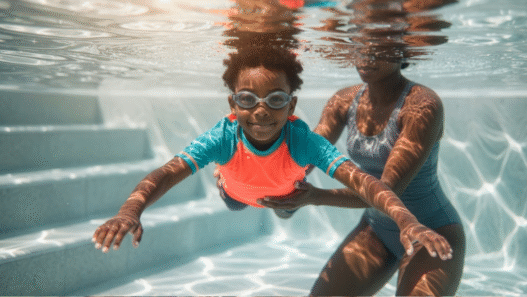
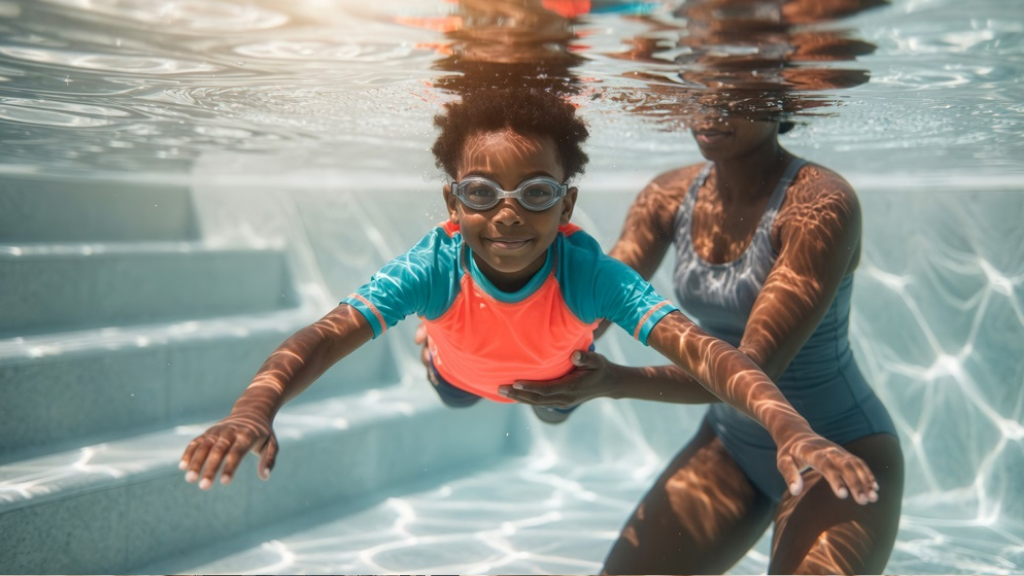
Some schools offer swimming lessons in Physical Education class but too many local students go through the system without learning this skill. We believe that swimming is more than a recreational activity; in fact, it is a lifesaving skill. With Jamaica being an island surrounded by water, basic swimming and water-safety lessons could equip students with skills that may one day save their lives or someone else’s.
- Driving
We are aware that some sixth form programmes offer driving lessons and instructions but this one should be compulsory because whether students start driving early or not they will always benefit from being aware of basic road code. Lessons could cover road signs, the rules of the road, responsible driving, pedestrian safety, the dangers of speeding and driving under the influence. In a day and age where we see so much recklessness on the road and road fatalities this would benefit all Jamaicans who traverse the roads.
- Mind Matters
Students should be given the tools to understand their emotions, manage stress, recognise when they or someone else may need support and know where to seek help. Making mental health education part of the curriculum could also help reduce stigma around asking for assistance. This is especially necessary where we see more of our youths resorting to violence as a way to solve their disputes.
- First Aid and Emergency Response
Every student should have basic knowledge of what to do when someone is injured or experiencing an emergency. First-aid training could cover CPR, bleeding, burns, choking and other common emergencies, giving young people practical skills that can be used inside and outside the classroom.
- Entrepreneurship (mandatory)
Many schools have subjects like Principle of Accounts, Principle of Business and some do delve into how to operate a business but we believe that it should be compulsory that our students know how to create a livelihood for themselves. Students should learn how to turn ideas into opportunities. Entrepreneurship education could cover starting and managing a small business, marketing, customer service, innovation and basic business planning giving young people practical skills whether they eventually become business owners or employees.