
This post was originally published on this site.
Key Takeaways
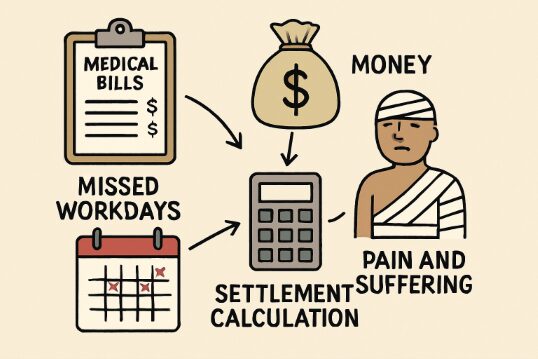
- Settlement amounts depend on injury severity, medical expenses, lost wages, and pain and suffering.
- Pain and suffering are calculated using the multiplier or per diem methods.
- State laws, like comparative negligence and statutes of limitations, can affect your compensation.
- Strong evidence, medical records, accident reports, witness statements, and photos are critical for negotiating fair settlements.
- Structured settlements may be used for long-term care, providing predictable periodic payments.
- Early legal guidance helps ensure proper documentation, adherence to procedures, and maximized compensation.
Introduction
When you are injured in an accident, understanding the process of determining your potential settlement is essential. Many people are unsure of what influences the value of their claim or what steps they should take to achieve fair compensation. Connecting with an accident attorney can clarify these details and provide crucial guidance throughout the process. This comprehensive guide explores the core factors affecting personal injury settlements, offering practical insights so you know what to expect and how to best protect your interests.
Calculating a fair settlement is more complex than simply totaling medical bills. It involves assessing injury severity, lost income, pain and suffering, and even state-specific rules that could significantly alter your compensation. Being informed can make negotiations with insurance companies less daunting and help ensure you recover what you are rightfully owed.
Key Factors Influencing Settlement Amounts
Several critical elements impact the outcome of a personal injury settlement, and a thorough understanding of these factors can make a significant difference in your case:
- Severity of Injuries:The extent and permanence of your injuries often play the most significant role. Severe or catastrophic injuries resulting in disability, long-term care, or loss of quality of life usually command higher settlements because the costs and losses are long-lasting or permanent.
- Medical Expenses:Comprehensive documentation is crucial. This includes current and ongoing medical costs, rehabilitation, prescriptions, surgeries, and, if necessary, projected future treatments.
- Lost Wages: Settlements commonly include wages you missed due to your recovery, as well as compensation for diminished earning potential if your injury impacts your future ability to work.
- Pain and Suffering:Non-economic damages encompass both physical pain and emotional trauma, which can be significant in serious accidents. These amounts are harder to quantify but form a vital part of most settlements.
All these factors are evaluated to arrive at a fair settlement figure, and insurers will often scrutinize the supporting documentation you provide. Victims who seek timely medical care and maintain accurate, organized records generally see better results.
 Methods for Calculating Pain and Suffering
Pain and suffering are less tangible than economic damages and are often evaluated using two common methods:
- Multiplier Method:This approach involves adding your medical expenses and lost wages, then multiplying that sum by a factor based on the seriousness of your injuries and their impact on your life. Typically, less severe injuries may warrant a multiplier of 1.5 to 2, while catastrophic injuries may warrant a multiplier of 5 or more.
- Per Diem Method:The per diem approach assigns a specific daily rate (such as your daily earnings) to compensate you for each day you suffered pain or limitations due to the injury. The formula multiplies this daily rate by the number of days required for recovery or until maximum medical improvement is achieved.
Both methods require detailed records and justification. Keeping a pain journal and obtaining regular medical notes can significantly strengthen your claim.
State-Specific Considerations
Personal injury law varies by state, affecting both the calculation process and the total available compensation. For example, California follows a pure comparative negligence rule. This means your compensation can be reduced according to your percentage of fault in the accident. If you are found 20 percent responsible, your settlement would be reduced by that portion. Additionally, each state sets deadlines, called statutes of limitations, for filing personal injury claims, which can impact your case if not carefully followed.
Role of Evidence in Settlement Negotiations
Solid evidence is crucial in negotiating a fair settlement. You will need comprehensive documentation to substantiate your claim, and the strength of your evidence often determines how much an insurer or court is willing to offer. Key evidence includes:
- Medical Records:Save every document and report related to your diagnosis, treatment, and prognosis. These establish the legitimacy and extent of your injuries.
- Accident Reports:Obtained from law enforcement or relevant authorities, these official reports offer an unbiased account of the incident and can describe conditions, fault, and any citations issued.
- Witness Statements:Firsthand accounts from those who saw the accident unfold can corroborate your version of events and influence the liability determination.
Photographs, surveillance footage, and expert testimony (for example, from medical professionals) may further bolster your case.
Average Settlement Amounts
The range of typical settlements can be broad, as each case is unique. In California, for example, settlements for minor to moderate injuries may fall between $3,000 and $75,000, while those with catastrophic injuries, such as paralysis or severe brain trauma, can exceed $100,000. Many personal injury claims never go to court, meaning the parties ultimately agree on an amount that reflects both tangible and intangible losses.
Structured Settlements
Some personal injury victims opt for structured settlements, which provide periodic payments rather than a lump-sum payment. This arrangement can be beneficial for those with long-term care needs because it provides predictability and better financial planning. Structured settlements are common in serious injury cases involving children or individuals who will need ongoing support. The court or parties involved often design the payment schedule based on future needs and costs.
Final Thoughts
Calculating personal injury settlements is a multifaceted process that weighs injury severity, expenses, lost earnings, and legal nuances specific to your state. By understanding the components involved and gathering thorough documentation, injured parties can navigate the claims process more confidently. Seeking early legal counsel ensures you follow the required procedures and maximize your potential compensation.
The post Calculating Personal Injury Settlements: A Comprehensive Guide appeared first on South Florida Caribbean News.