This post was originally published on this site.
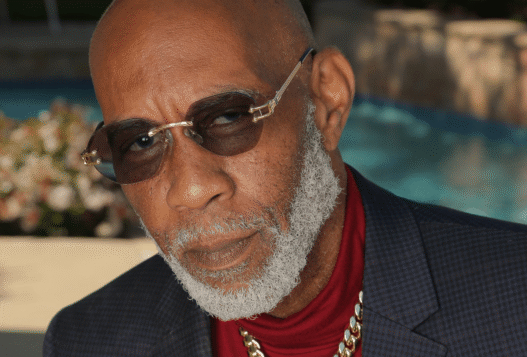
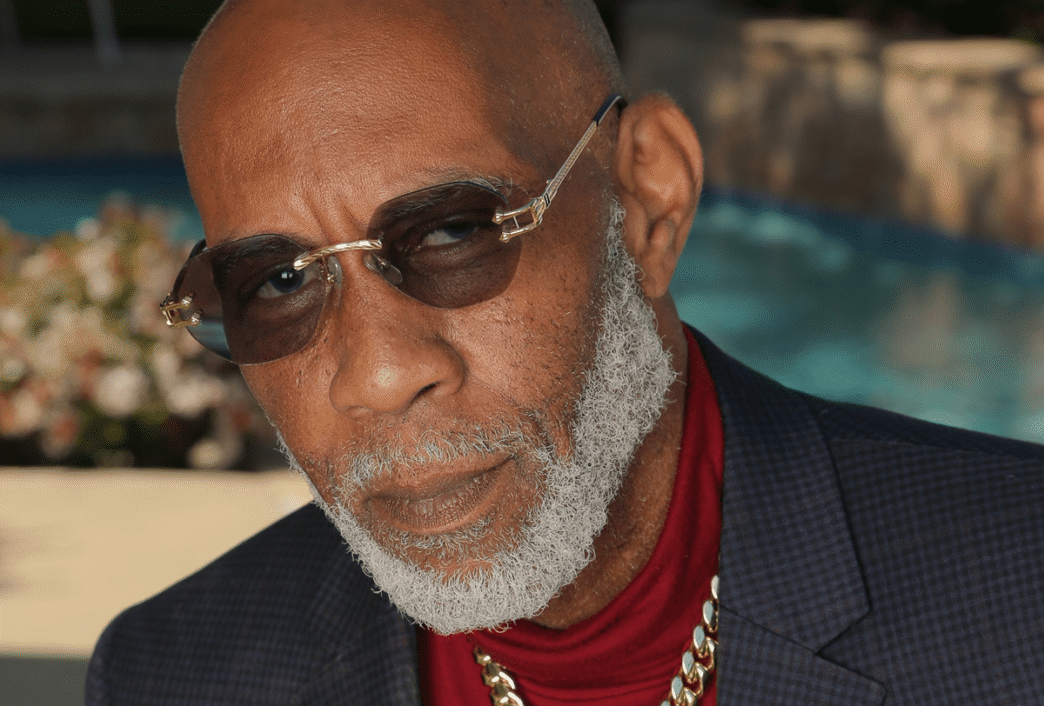
Chris “The Glove” Taylor’s career reflects patience more than spectacle. While his name appears alongside some of the most important moments in West Coast hip hop, the real story sits beneath the surface. Preparation, musical discipline, and timing have always mattered more to him than chasing attention.
Long before hip hop became codified, Taylor was learning how music worked at a fundamental level. Reading notation and playing organ at a young age gave him a grasp of harmony and arrangement that later informed every beat and composition. When he stepped into DJ culture in Los Angeles, he treated it as an extension of that education. Records were studied, rhythms were analyzed, and crowd response became a tool for understanding how sound moved people in real time.
Los Angeles demanded originality, and Chris Taylor absorbed that lesson early. Competition was constant, and standing out meant developing a recognizable identity. His DJ mindset, shaped by both musical literacy and instinct, helped him navigate spaces that many producers never touched. That adaptability placed him in creative circles where the West Coast sound was still forming, including rooms shared with Dr. Dre during the genre’s early evolution.
One of his earliest defining chapters came through film. During discussions for the soundtrack to Breakin’, Taylor recognized a moment that required local authenticity. The story belonged to Los Angeles, and the music needed to reflect that culture accurately. Making that case directly led to his involvement, anchoring the soundtrack in the city’s sound rather than importing it from elsewhere.
After completing the music for the film’s dance scenes and promotional material, another gap became clear. The soundtrack lacked a vocal track built around spoken rhythm, the format that would soon be widely known as rap. Taylor reshaped one of his existing compositions and contacted Ice T, obtaining a verse. The resulting song, “Reckless,” went on to achieve multi-platinum success and became an early signal of West Coast rap’s commercial reach.
Although history often groups Chris Taylor and Ice T together, their collaboration was rooted in purpose rather than partnership. Each focused on his own craft, pushing for excellence without overlapping roles. As their interests shifted, the collaboration naturally ended. Taylor, in particular, began exploring beyond rap, which explains his absence from Ice T’s album catalog moving forward.
That openness to evolution carried into the studio sessions that produced The Chronic and later Doggystyle. Those environments balanced creativity with community as sessions felt social, sometimes celebratory, but always intentional. Music was tested immediately, played for friends and collaborators to gauge reaction. The focus always remained internal.
Not every contribution Taylor made over the years carried formal credit, and that reality never defined his outlook. Legacy, in his view, lives in the work itself and in how it endures. Recognition matters, but forward motion matters more. The long view includes how the music is remembered by future listeners and by his own family.
As his career expanded, Taylor moved deeper into film and television, taking on roles as a music supervisor and composer for projects including Tiny and Toya and Monica: Still Standing. Working in those formats introduced new disciplines, particularly in mixing, pacing, and emotional storytelling. The contrast between screen scoring and hip hop production sharpened his creative instincts and refined his sound.
Today, Taylor remains active and engaged, driven by curiosity rather than nostalgia. Projects like Redshirt Freshman, a wide-ranging body of work that includes more than forty songs and a multi-part audiobook, reflect an artist still exploring new forms of expression. Mentoring younger creators has also become central, offering guidance to those still learning how to navigate both creativity and longevity.
Decades into his career, the motivation remains unchanged. Music continues to be the reason he gets up each morning. Eras shift, audiences change, but the process stays constant. As long as there are ideas to develop and voices to support, Chris “The Glove” Taylor’s role in shaping sound continues to evolve.