





This post was originally published on this site.
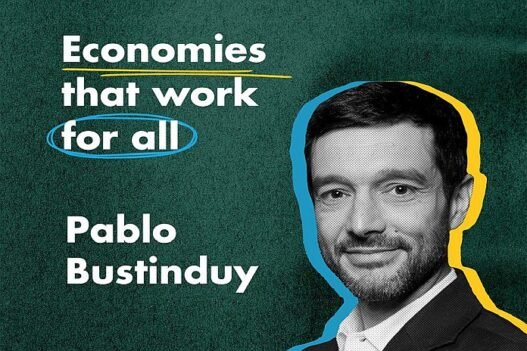
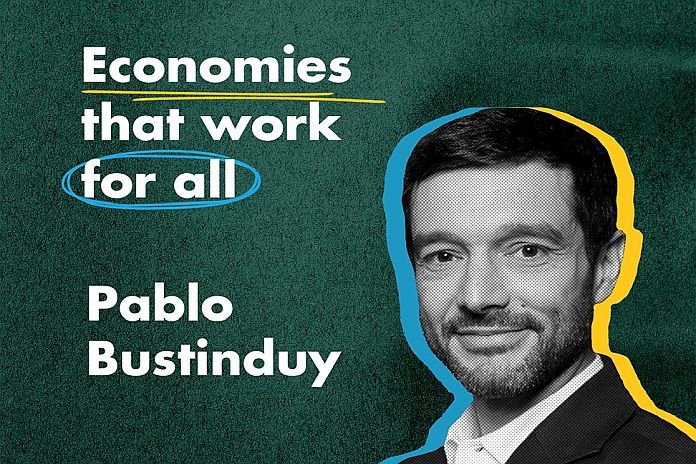
 Since taking office in 2023, Spain’s minister of social rights, consumer affairs, and the 2030 Agenda, Pablo Bustinduy, has been spearheading ambitious social reforms — from strengthening consumer rights to advancing universal child benefits and transforming the care economy.
In this new episode of our Economies that Work for All podcast, Bustinduy explains why human rights must form the foundation of every economic policy, not as an exception but as the rule. He also points out the importance of universal social protection systems that treat support as a right, not a privilege; and how tackling child poverty, the care economy and the housing crisis is essential for both social justice and economic efficiency.
The discussion also widens to Spain’s engagement on the human rights economy at the global level. From championing tax justice to taking a principled stance on Gaza and confronting corporate involvement in occupied territories, Bustinduy reflects on why defending human rights internationally is inseparable from domestic policy.
Amid rising extremism and declining trust in democratic institutions, Bustinduy, offers a powerful message.
“The superiority of democracy does not only come from ethical or moral terms, but also from practical realities – that democracies are able to ensure to their citizens better living standards and that are able to tackle the challenges and to satisfy the needs that people have,” he said.
Produced by UN Human Rights and the UN System Staff College – Knowledge Centre for Sustainable Development, the Economies that Work for All podcast explores how economies and human rights can work hand in hand to unlock progress towards the 2030 Agenda.
The post Walking the Talk: How Spain is building an economy that works for all appeared first on Caribbean News Global.