





This post was originally published on this site.
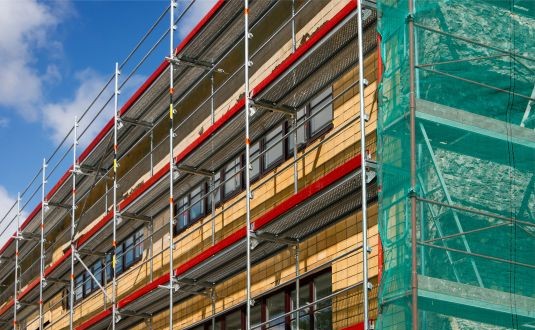
FORT LAUDERDALE – Across Florida and other coastal regions, many commercial and multi-family buildings are entering critical stages of their service life. Aging materials, prolonged environmental exposure, and evolving regulatory standards create increasing pressure on property owners to implement structured restoration programs.
Professional building restoration is not merely reactive maintenance—it is a strategic investment in asset preservation, occupant safety, and long-term financial stability.
The Challenge of Aging Infrastructure
Buildings constructed decades ago were designed under different codes, material standards, and environmental assumptions. Over time, exposure to humidity, wind, salt air, and thermal movement accelerates material degradation.
Common deterioration patterns include:
- concrete spalling and reinforcement corrosion;
- balcony slab distress;
- facade cracking and displacement;
- expansion joint failure;
- waterproofing breakdown.
Left unaddressed, these conditions can escalate from maintenance concerns to structural safety issues.
Engineering-Led Evaluation
Effective restoration begins with comprehensive structural engineering assessment. Engineers evaluate load-bearing systems, analyze deterioration mechanisms, and determine whether structural capacity has been compromised.
Detailed analysis may include:
- material sampling and testing;
- structural load evaluation;
- moisture and corrosion analysis;
- review of original construction documents.
This diagnostic phase establishes a technical foundation for repair planning.
Developing a Phased Restoration Plan
For large commercial and condominium properties, restoration projects are often phased to manage budget constraints and minimize operational disruption. Engineers prioritize repairs based on severity, safety risk, and regulatory requirements.
A phased approach allows property owners to:
- allocate capital strategically;
- address urgent structural deficiencies first;
- schedule less critical repairs over time;
- maintain building operations during construction.
Structural Strengthening and Upgrades
In some cases, aging buildings require structural strengthening to meet updated code requirements or increased occupancy loads. Engineers may design reinforcement enhancements, anchorage upgrades, or retrofitting solutions.
Modern materials and repair technologies can improve structural resilience beyond original construction standards.
Facade and Balcony Rehabilitation
Exterior facade elements and balconies are particularly vulnerable in Florida’s climate. Restoration strategies often include concrete repair, railing replacement, waterproofing upgrades, and anchorage improvements.
These improvements enhance both safety and aesthetic value.
Compliance and Regulatory Alignment
Florida’s building safety regulations increasingly require documented structural evaluations for aging properties. Restoration projects frequently intersect with milestone inspections, insurance assessments, and municipal oversight.
Engineering documentation ensures compliance and demonstrates responsible governance by property owners and associations.
Financial Planning and Reserve Studies
Restoration planning is closely linked to reserve studies and long-term capital improvement programs. Engineering reports provide cost estimates and timelines that support informed budgeting decisions.
Proactive planning reduces the likelihood of unexpected special assessments or emergency expenditures.
Minimizing Disruption to Occupants
Commercial tenants and condominium residents expect continuity of operations. Restoration planning must consider safety logistics, noise control, phased access, and construction sequencing.
Engineering oversight ensures that repairs are both technically sound and operationally manageable.
Long-Term Asset Preservation
Strategic building restoration extends the service life of commercial assets while preserving property value. In competitive real estate markets, well-maintained buildings attract tenants, reduce liability exposure, and maintain market appeal.
Engineering-led restoration transforms aging infrastructure into stabilized, resilient structures capable of performing for decades.
Conclusion
Building restoration strategies require careful planning, technical expertise, and long-term vision. Through professional engineering assessment and phased implementation, property owners can protect structural integrity, ensure regulatory compliance, and strengthen financial sustainability.
For aging commercial and multi-family structures, restoration is not optional—it is a critical component of responsible asset management.
The post Building Restoration and Structural Engineering for Aging Commercial Buildings appeared first on South Florida Caribbean News.