This post was originally published on this site.
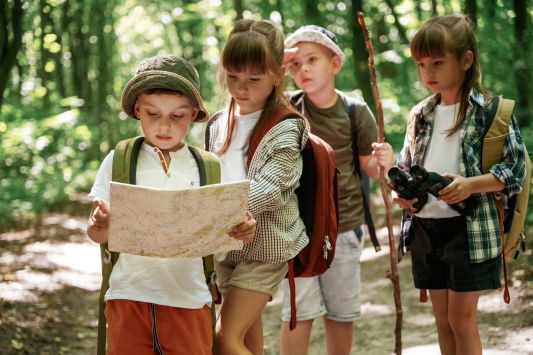
Outdoor learning has become an essential element in high-quality early childhood education. Natural environments offer rich opportunities for children to explore ideas, test assumptions, and build flexible thinking skills. When learning moves beyond four walls, children encounter real situations that invite curiosity and challenge. These experiences shape how young minds approach problems, collaborate with peers, and develop confidence in their own reasoning abilities.
In many early education settings, including KLA Schools, outdoor learning is not treated as a break from academics. It is viewed as an intentional extension of the curriculum that strengthens problem-solving through play, inquiry, and meaningful interaction with the world.
The Cognitive Foundations of Problem Solving in Early Years
Problem-solving in early childhood is closely tied to brain development. Young children learn best through hands-on experiences that involve movement, sensory input, and social engagement. Outdoor environments naturally provide these elements. Uneven surfaces, changing weather, and living materials such as plants and insects present situations that require children to think critically and adapt quickly.
As children face small challenges outdoors, they practice identifying problems, generating ideas, and evaluating outcomes. These processes form the foundation of executive function skills such as planning, self-regulation, and flexible thinking. Unlike structured indoor tasks, outdoor challenges often have more than one solution, encouraging creativity and independent reasoning.
Nature-Rich Environments as Living Laboratories
Outdoor spaces function as living laboratories where children can experiment freely. A fallen branch may become a bridge, a tool, or a measurement device depending on the child’s perspective. These open-ended materials invite children to ask questions and test ideas without fear of failure.
Natural settings also introduce variability. Wind may alter a construction, soil moisture may change digging strategies, and sunlight may affect how shadows form. Each variation encourages children to observe closely and adjust their approach. This dynamic environment nurtures persistence and analytical thinking in a way that static classroom materials cannot fully replicate.
Collaborative Challenges and Social Reasoning
Problem-solving outdoors often happens in groups. Children negotiate roles, share resources, and resolve disagreements while working toward a common goal. Building a shelter, creating a game, or caring for a garden requires communication and cooperation.
Through these interactions, children learn to consider different viewpoints and refine their ideas based on feedback. Social problem-solving strengthens empathy and emotional intelligence, both of which are essential for effective decision-making later in life. Outdoor settings reduce pressure and allow children to practice these skills in a relaxed, engaging context.
Risk Taking and Resilient Thinking
Healthy risk-taking is a vital component of learning. Outdoor environments present manageable risks such as climbing, balancing, or exploring unfamiliar terrain. When children assess these situations, they learn to judge their abilities and make informed choices.
Experiencing minor setbacks outdoors helps children develop resilience. A structure that collapses or a path that proves too difficult becomes an opportunity to revise a plan rather than abandon it. This mindset supports long-term problem-solving by teaching children that challenges are part of the learning process.
Language Development Through Inquiry and Reflection
Outdoor learning experiences naturally stimulate language use. Children describe what they see, explain their reasoning, and ask questions about their discoveries. Educators can extend this learning by prompting reflection with open-ended questions.
As children verbalize their thoughts, they strengthen connections between language and cognition. This process supports clearer thinking and more effective problem-solving. Rich vocabulary related to nature, spatial awareness, and cause and effect becomes part of everyday communication.
The Educator’s Role in Outdoor Problem Solving
Teachers play a critical role in shaping outdoor learning experiences. Rather than directing every activity, skilled educators observe, listen, and intervene thoughtfully. They design environments that invite exploration and pose gentle challenges that encourage deeper thinking.
In preschools such as KLA Schools, educators intentionally link outdoor experiences to learning goals while preserving child-led discovery. This balance ensures that problem-solving skills develop organically within a supportive framework.
Designing Outdoor Spaces That Inspire Thinking
The layout of outdoor areas significantly influences how children engage with problems. Spaces that include loose parts, natural textures, and flexible zones promote experimentation. Gardens, water features, and construction areas each offer distinct cognitive challenges.
Well-designed outdoor environments evolve with the seasons, providing new stimuli and questions throughout the year. This ongoing change keeps children engaged and continually refining their problem-solving strategies.
A Living Pathway to Lifelong Learning Skills
Outdoor learning experiences offer more than physical activity or fresh air. They provide a powerful context for developing problem-solving skills that support academic success and personal growth. Through exploration, collaboration, and reflection, children learn how to think, adapt, and persevere.
Growing Minds Through Open Air Discovery
When early childhood education embraces the outdoors as a meaningful learning space, children gain tools that extend far beyond their early years. Problem-solving becomes an active, joyful process rooted in real experiences, setting the stage for confident, capable learners who are prepared to face complex challenges.
The post How Outdoor Learning Experiences Support Problem Solving in Early Childhood appeared first on South Florida Caribbean News.