


This post was originally published on this site.
JAMAICA needs more animal shelters, but livestock owners must stop abandoning their roaming, injured animals for the Government to fix, warned Dr Sophia Ramlal, director of the country’s veterinary services.
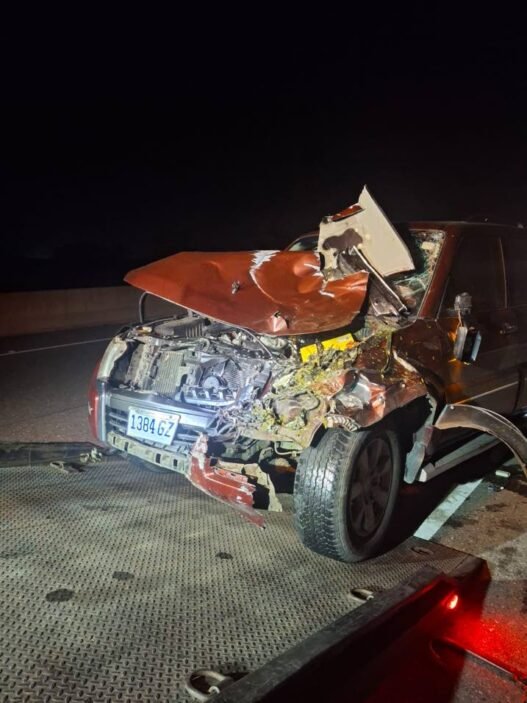
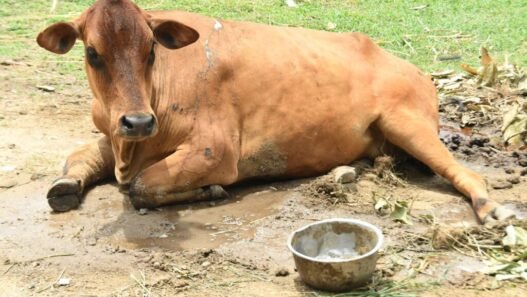
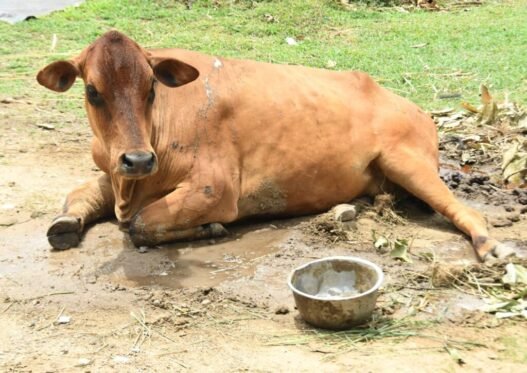
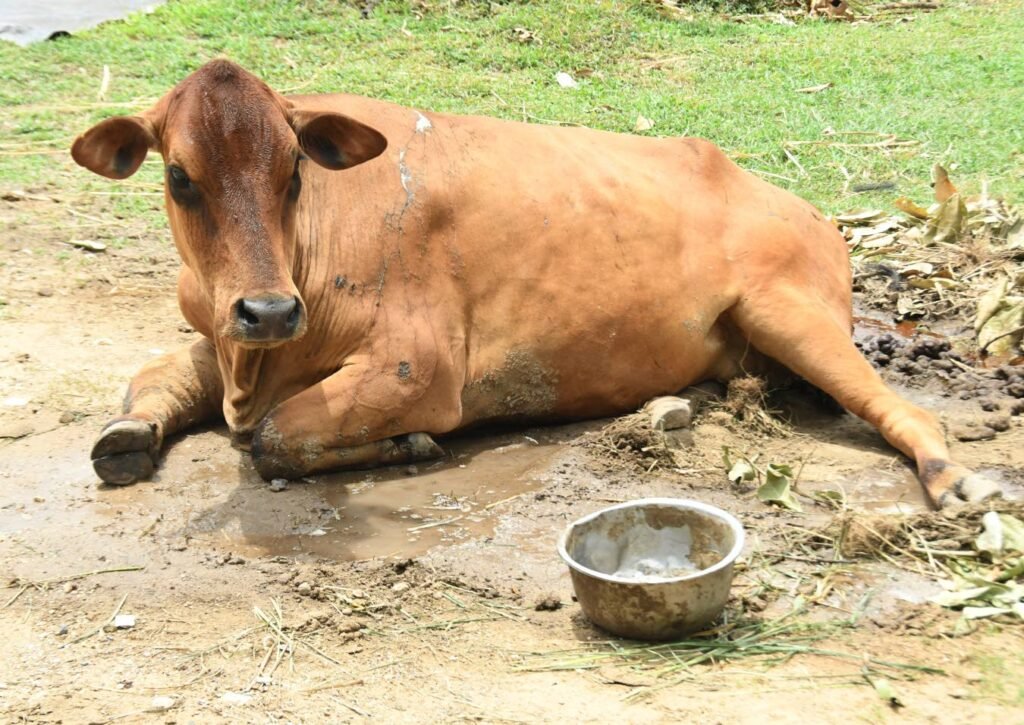
Her comments come in the wake of a recent case involving an injured cow, given the name Moo Moo by residents, that spent days at the side of a road in Spanish Town, St Catherine, after being struck by a vehicle, with no owner coming forward to claim her.
Dr Ramlal said while such cases are not common, they have occurred before and are a cause for concern given the dangers stray animals pose to motorists and the general public.
“The Cruelty to Animals Act would address basic welfare issues for animals, the Keeping of Animals Act as well, which speaks to how animals are supposed to be kept and basic things should be provided to them, et cetera. However, there is a need for more pounds in Jamaica. There is a need for the ability to move animals that are stray and ownerless. I want to say, it is usually an instance where we have animals that are ownerless, or owners are unwilling to come forward and claim the animals, as is the case with this cow [Moo Moo] I’m addressing. In those instances, there is a need for the ability to remove the animals from the space to determine what is to happen to them,” said Ramlal.
She noted that a handful of organisations are already performing work that extends beyond what their limited infrastructure can reasonably support.
“The Jamaica Society for the Prevention of Cruelty to Animals (JSPCA) does really fantastic work, but they are probably, along with a couple of other entities, they are tasked with doing almost national duties without necessarily the infrastructure, so we need to be looking at more shelters, shelters even that work during disasters,” she told the Jamaica Observer.
Ramlal said the Government is actively working to tackle rising public safety risks, crop destruction, and traffic hazards caused by stray livestock and roaming animals. Most recently, the Clarendon Municipal Corporation developed a new 20-acre holding facility and retrofitted transport trucks to manage roaming cattle and stray animals.
While State intervention is paramount, Dr Ramlal made it clear that this should not be left up to the Government to assume responsibility for animals whose owners can be identified or are unwilling to come forward.
“In this recent case, yes, the Government had stepped in to mobilise the agency as a State to both treat with euthanasia as well as the disposal of the carcass. There is also the process, though, in law, that if injuries occur and the owners are found, that through the court system, a judge may determine what costs are applicable and so on and so forth. In this case [involving Moo Moo], the State had to step in to mobilise and treat with the euthanasia and the disposal of the carcass.
“It is the owner’s cost to cover. It ought to be. The journey, the treatment of the animal, the euthanasia of the animal, if the animals were moved to a pound, all of those things, it is set out in law where those costs would have to be borne by the owner,“ Ramlal told the
Sunday Observer. “But given the circumstances of this cow and given the time frame and the confirmation from the police that nobody had come forward to claim ownership of the animal, then the necessaries had to be done in really the interest of the cow to relieve pain and suffering and to treat with this matter.”
She stressed that greater partnership is needed between the Government, communities and animal owners to keep animals safe, urging the public to report instances of neglected animals as quickly as possible.
“More shelters are needed, but we also need persons who own animals to be responsible owners. They need to be kept confined, they need to be fed, they need to be watered, they need to have proper shelter, and they need to be able to live normal, happy, healthy lives,” said Ramlal.
“We are looking to update our legislation to talk about not just basic cruelty, but also how it is that all of these five freedoms can be embodied in our legislation. We talk about how animals should be kept, how they should be treated if you’re using animals for work or sport, those kinds of things are in train, as we really also want to look at strengthening the legislation,” she added.
Ramlal said the latest incident proves that more and more Jamaicans are looking out for animals and this is a welcome move.
“I think Jamaicans love animals. I think it is growing amongst us that. Look, animals are a part of our ecosystem. More and more Jamaicans are embracing what we like to call in the veterinary medical fraternity and the medical fraternity, the concept of one health. More and more, we Jamaicans see animals not just as pets, but as companions, as service animals. Jamaicans’ view on animals and their contribution to society is on a positive trajectory, and I think what we saw unfolding with this cow tells you that Jamaicans from all walks of life can appreciate that animals are living beings and that they need support and that they’re willing to jump in and roll up their sleeves and help,” said Ramlal, reminding citizens to report any incident of animal abuse or neglect.