

This post was originally published on this site.
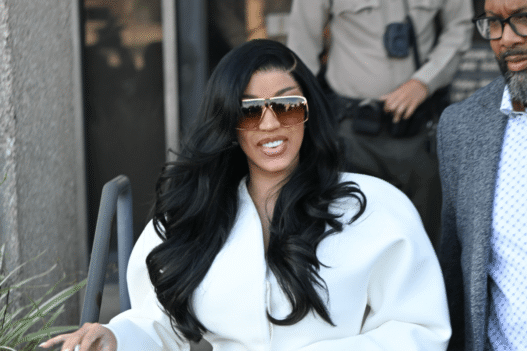
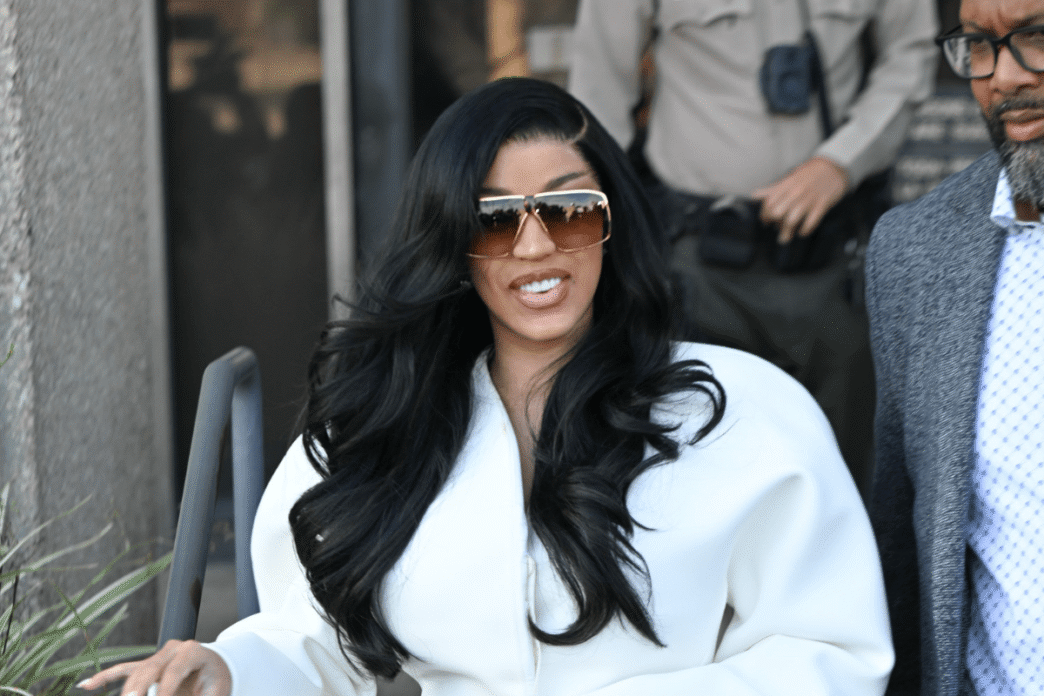
Cardi B used Independence Day as the moment to reframe what American freedom actually means and who paid the price for it.
The Bronx rapper stepped onto CNN’s July 4th broadcast and delivered a message that corporate media typically sanitizes or softens when celebrities venture into this territory.
She didn’t hedge. She didn’t qualify. She just spoke directly about the debt America owes to Black Americans and what happens when that history gets erased from schools.
“I mean, I feel like the reason why Caribbeans like me, like Caribbeans like my family and Latinos and Hispanic people, the reason why they could thrive in this country is because black African-Americans, black African-Americans fought for everybody to like be equal. If it wasn’t for them, it wouldn’t be no Caribbeans thriving here. Like, they was the one that fought for this. So, I’m always going to be thankful and and grateful for that. And it’s very important that like you know thia. It’s important for the history and it’s important to get flowers because you know somebody wants to erase the history of these schools but you got to keep these histories alive,” Cardi B said.
The specificity of her framing is what’s resonating across social media right now.
She wasn’t making abstract arguments about civil rights or dropping vague statements about unity.
She connected the dots between the freedoms that immigrant communities enjoy today and the specific people who fought for those freedoms.
That’s the kind of argument that transforms July 4th from a celebration into an acknowledgment of who actually built the country.
What’s generating conversation is how according to her CNN appearance, Cardi B addressed the curriculum question directly.
She named what’s been happening in schools across the country, the systematic removal or minimization of Black American history from textbooks and lesson plans.
She framed it not as a debate about what should be taught but as an active erasure that requires active resistance.
The idea that preservation isn’t passive, that keeping history alive demands participation and pushback, is the most sophisticated argument she made.