This post was originally published on this site.

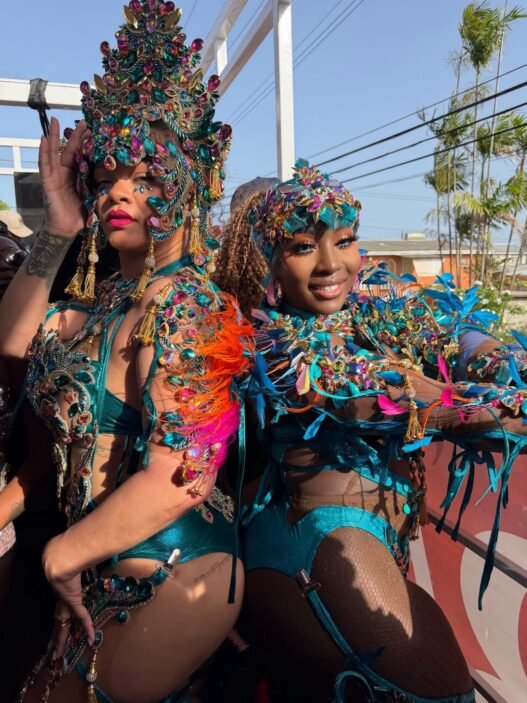
MIAMI – Across the Caribbean, celebrations are more than social occasions. They are expressions of history, identity, music, food, and community that bring people together in unforgettable ways. From Carnival parades and beach weddings to cultural festivals and luxury resort events, the region has become a global symbol of vibrant hospitality and large-scale event production. What was once viewed primarily as seasonal tourism activity is now inspiring a new generation of people to pursue long-term careers in event planning, hospitality, entertainment, catering, and beverage service.
The Caribbean’s reputation for unforgettable celebrations is creating opportunities that extend far beyond tourism. Young professionals are discovering that behind every successful festival, destination wedding, concert, or resort event is a network of skilled organizers, coordinators, bartenders, caterers, designers, technicians, and hospitality professionals. As international visitors continue seeking immersive cultural experiences, demand for trained event talent is growing, and many people are turning that demand into sustainable careers.
The Caribbean Celebration Economy
The Caribbean has long been known for destination weddings, Carnival celebrations, music festivals, food festivals, and luxury resort events. These gatherings generate significant economic activity, not only through tourism spending but also through employment across multiple sectors. Hotels, restaurants, transportation providers, entertainment companies, decorators, photographers, security teams, and beverage professionals all benefit from the region’s strong event culture.
What makes Caribbean celebrations particularly influential is their ability to combine tradition with modern event production. A single wedding weekend might include cultural performances, curated dining experiences, beachside cocktail events, live music, and large guest counts requiring professional coordination. This level of complexity has elevated event management from a temporary job into a specialized profession.
As a result, younger workers are increasingly viewing event careers as creative, entrepreneurial, and globally transferable.
Why Young Professionals Are Choosing Event Careers
One of the biggest shifts happening across the hospitality industry is how younger generations perceive event work. Rather than seeing it as casual or seasonal employment, many now recognize it as a pathway to entrepreneurship, travel, flexible income, and creative expression.
Event careers offer several advantages:
- Opportunities to work in luxury hospitality
- Exposure to international clients
- Flexible freelance and contract options
- Entrepreneurial potential through independent event businesses
- Skills that transfer across countries and hospitality sectors
The Caribbean provides a unique environment where professionals can build experience across weddings, festivals, corporate retreats, private celebrations, and tourism-driven events within a relatively concentrated hospitality ecosystem.
The Rise of Specialized Event Skills
Modern events require far more than enthusiasm and good organization. Clients increasingly expect professional service standards, coordinated logistics, memorable guest experiences, and seamless execution. This has created demand for specialized skills in areas such as:
- Event planning and coordination
- Venue operations
- Food and beverage management
- Entertainment production
- Floral and design services
- Photography and videography
- Guest experience management
- Beverage and cocktail service
In many Caribbean communities, small event businesses are expanding into full-service production companies capable of managing large destination events. That growth has increased the need for professionals with technical knowledge, customer service expertise, and operational discipline.
For example, a local bartending service may now be expected to provide menu consultation, inventory planning, premium cocktail execution, and coordination with caterers and planners rather than simply serving drinks.
Hospitality Demand Continues to Grow
According to the U.S. Bureau of Labor Statistics, employment in food and beverage serving and related occupations remains one of the largest segments of the hospitality workforce, supported by continued demand for restaurants, tourism, events, and entertainment venues. The broader hospitality and leisure sector continues to generate significant employment opportunities tied directly to events and visitor experiences.
This trend is highly relevant to Caribbean destinations, where tourism and celebrations are deeply interconnected and where event-driven hospitality businesses often serve international markets.
Festivals Are Becoming Career Launchpads
Caribbean festivals have evolved into important professional ecosystems. Major events require months of planning, vendor management, sponsorship coordination, ticketing operations, marketing campaigns, logistics, crowd management, and beverage service planning.
Young professionals who begin as volunteers or entry-level staff frequently gain experience in:
- Vendor coordination
- Event logistics
- Hospitality operations
- Customer service
- Beverage management
- Production scheduling
- Marketing and promotions
Many successful planners, caterers, and hospitality entrepreneurs started by working festivals and cultural events before launching independent businesses.
The festival environment also teaches professionals how to perform under pressure, solve problems quickly, and manage large guest volumes—skills that are valuable across the global hospitality industry.
Training Is Becoming More Important
As client expectations rise, employers are placing greater emphasis on structured education and practical skill development. Professionals entering the industry are increasingly seeking certifications, hospitality courses, beverage education, customer service programs, and bartending training to improve employability and earning potential.
Formal training helps workers understand responsible alcohol service, inventory control, cocktail preparation, event workflow, and guest interaction standards. For entrepreneurs, it also builds credibility with venues, planners, and corporate clients who expect professional operating procedures.
This growing emphasis on education reflects a broader shift: Caribbean event work is becoming more professionalized and competitive, rewarding individuals who invest in skill development rather than relying solely on experience.
Destination Weddings Are Reshaping Career Opportunities
The Caribbean remains one of the world’s most popular destination wedding regions. Couples traveling from North America, Europe, and other international markets often seek multi-day wedding experiences that include welcome parties, beach ceremonies, rehearsal dinners, excursions, and farewell brunches.
These events create demand for:
- Wedding planners
- Event coordinators
- Beverage professionals
- Caterers
- Decor specialists
- Entertainment providers
- Transportation coordinators
- Hospitality managers
Because destination weddings often involve higher budgets and international expectations, they provide valuable experience that can open doors to luxury hospitality careers worldwide.
Professionals who develop strong portfolios in Caribbean wedding markets frequently find opportunities in resorts, cruise lines, international event companies, and global hospitality brands.
Entrepreneurship Is Fueling the Next Generation
Another reason Caribbean celebrations are inspiring new careers is the relatively accessible path to entrepreneurship. Many event-related businesses can begin on a small scale and grow through referrals, partnerships, and repeat clients.
Common entrepreneurial paths include:
- Mobile beverage services
- Event planning companies
- Decor and rental businesses
- Catering operations
- Entertainment booking services
- Photography and content production
- Floral design studios
- Festival production companies
The collaborative nature of Caribbean hospitality also encourages partnerships between planners, venues, chefs, bartenders, musicians, and transportation providers, allowing small businesses to expand without massive initial investment.
A Culture That Celebrates Hospitality
Perhaps the most powerful factor behind this career movement is cultural. Caribbean celebrations place hospitality at the center of the guest experience. Welcoming people, creating memorable moments, sharing food and music, and fostering connections are not simply business practices; they are deeply rooted cultural values.
This cultural foundation gives many Caribbean professionals a natural advantage in event-related careers. Skills such as warmth, adaptability, communication, and service orientation are highly valued across global hospitality markets.
As international travelers increasingly seek authentic cultural experiences rather than standardized tourism products, Caribbean event professionals are well positioned to deliver exactly what modern guests want.
The Experience Economy Is Driving Demand
As event strategist and author Priya Parker has observed:
“The way we gather matters.”
This idea helps explain why Caribbean celebrations continue influencing career choices around the world. Events are no longer viewed simply as parties; they are carefully designed experiences that shape relationships, communities, and memories.
Looking Ahead
Caribbean celebrations are doing more than attracting tourists. They are creating career pathways for planners, hospitality professionals, beverage specialists, entrepreneurs, and creative service providers who see opportunity in the region’s thriving event culture.
As festivals expand, destination weddings grow, and hospitality standards continue rising, the need for skilled event professionals will only increase. The next generation is responding by pursuing education, developing specialized expertise, and building businesses that serve both local communities and international visitors.
What began as a celebration tradition is becoming a powerful career movement—one that demonstrates how culture, tourism, and professional opportunity can come together to shape the future of the global events industry.
The post Caribbean Celebrations Are Inspiring a New Generation of Professional Event Careers appeared first on South Florida Caribbean News.